Get Industrial Hood Cleaning
Industrial hood cleaning services help property owners remove grease buildup, improve safety, and ensure compliance through professional cleaning of kitchen exhaust and ventilation systems.
Industrial hood cleaning is an essential service for property owners seeking to maintain safe and efficient kitchen operations. Regular cleaning helps prevent grease buildup, reduces fire hazards, and ensures compliance with safety standards. By exploring options within the local area, property owners can compare experienced service providers who understand the specific requirements of industrial kitchens and commercial cooking environments.
Considering professional hood cleaning can also support long-term property maintenance and operational safety. Local contractors often have the expertise to handle the unique challenges of industrial kitchen systems, providing peace of mind for property owners planning ongoing maintenance projects. Keep reading to discover how trusted service providers in the area can assist with your industrial hood cleaning needs.
- Commercial kitchens - businesses may need industrial hood cleaning to maintain safety and compliance.
- Food processing facilities - regular cleaning is essential to prevent grease buildup and ensure proper ventilation.
- Restaurant kitchens - routine hood cleaning helps reduce fire hazards and improve air quality.
- Industrial manufacturing plants - facilities with heavy grease or chemical residues require professional hood cleaning services.
- Catering services - event kitchens and mobile food vendors may need periodic hood maintenance to meet health standards.
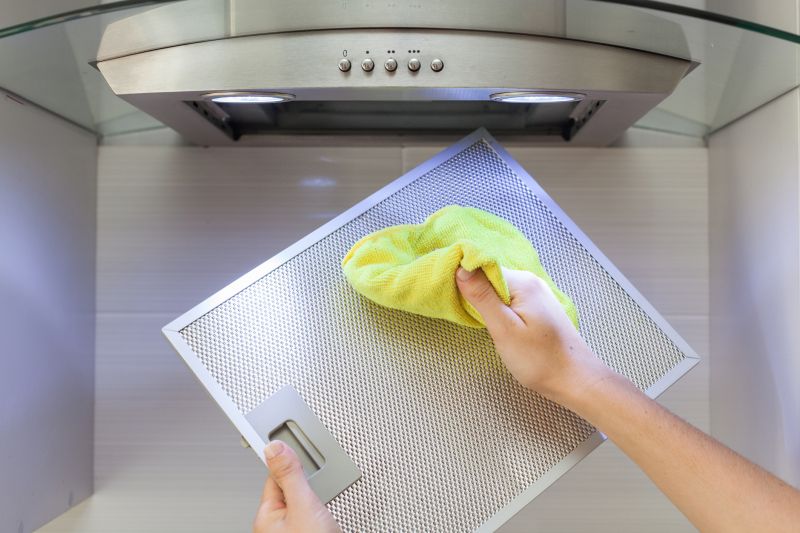
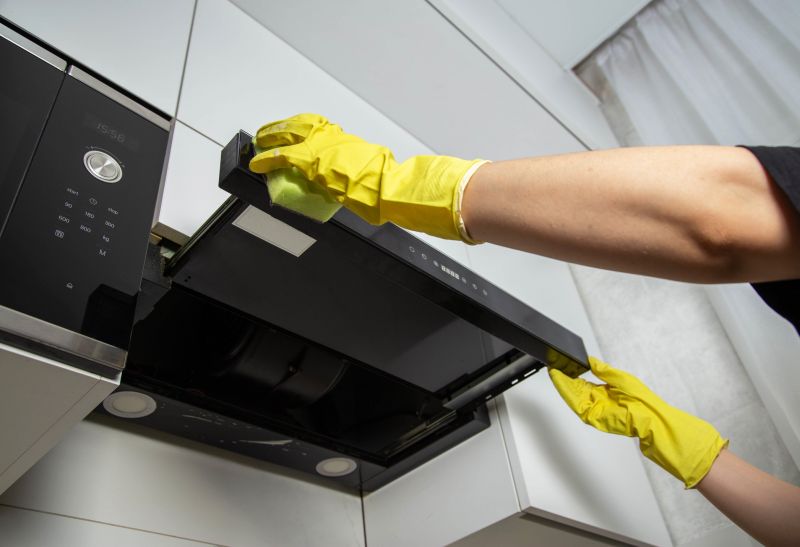
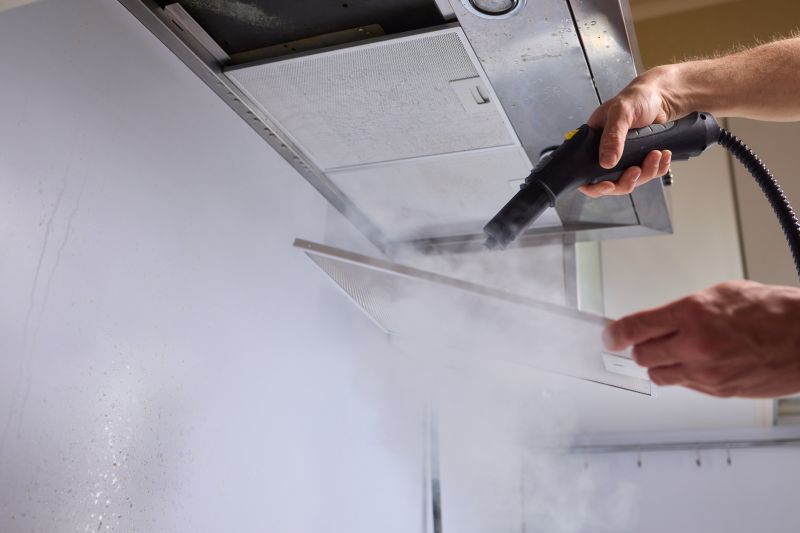
Industrial hood cleaning is a specialized service that involves thoroughly cleaning the exhaust hoods, ducts, and ventilation systems in commercial kitchens and food processing facilities. This process removes built-up grease, oil, and debris that accumulate over time from cooking activities. Proper cleaning helps ensure that ventilation systems operate efficiently, reducing fire hazards and preventing unpleasant odors from lingering in the property. Professional contractors use specialized tools and cleaning agents to reach all parts of the system, ensuring a comprehensive clean that is difficult to achieve with standard cleaning methods.
The primary problems addressed by industrial hood cleaning include grease buildup that can pose serious fire risks, poor air quality caused by accumulated contaminants, and inefficient ventilation that can increase energy costs. Over time, grease and debris can clog ducts and filters, leading to reduced airflow and potential system failures. Regular cleaning by experienced service providers helps maintain a safe environment, minimizes the risk of fires, and ensures compliance with health and safety regulations. For property owners, especially those running commercial kitchens or food production areas, timely hood cleaning is essential for smooth operations and safety.
This service is typically used in properties such as restaurants, cafeterias, catering facilities, and food manufacturing plants. Any commercial property that involves frequent cooking or food processing can benefit from professional hood cleaning. In addition to large-scale operations, some property owners of multi-unit buildings or shared commercial kitchens may also seek these services to maintain safety standards and prevent fire hazards. Even some institutional kitchens, like those in schools or hospitals, may require regular hood cleaning to meet safety guidelines and ensure proper ventilation.
Homeowners generally do not need industrial hood cleaning unless they have a commercial kitchen setup or a large cooking space that resembles a commercial environment. If a home-based food business or a large, professionally equipped kitchen is part of a residence, then professional hood cleaning might be necessary to keep the system functioning safely and efficiently. When grease and debris start to accumulate in kitchen exhaust systems, it can lead to odors, reduced airflow, or fire risks, signaling that professional cleaning from local contractors may be needed. Contacting experienced service providers can help determine whether this service is appropriate for a specific property.
The overview below groups typical Industrial Hood Cleaning projects into broad ranges so you can see how smaller, mid-sized, and larger jobs often compare in your area.
In many markets, a large share of routine jobs stays in the lower and middle ranges, while only a smaller percentage of projects moves into the highest bands when the work is more complex or site conditions are harder than average.
Routine Maintenance - Most routine industrial hood cleaning projects typically cost between $250 and $600. Many smaller commercial kitchens and facilities fall within this range for standard cleaning services. Larger or more complex systems may require higher budgets, but these are less common.
Deep Cleaning Services - Deep cleaning or more thorough hood cleanings usually range from $600 to $1,200. These projects often involve detailed inspections and extensive cleaning, with many jobs falling into this middle tier. Fewer projects extend into higher price ranges unless additional work is needed.
Large or Complex Systems - For extensive or complicated ductwork and ventilation systems, costs can range from $1,200 to $3,500 or more. Such projects are less frequent and typically involve customized solutions for industrial or large commercial kitchens. Many local contractors can handle these, but prices vary based on system size.
Full System Replacement - Complete replacement of industrial hoods and ductwork can exceed $5,000, depending on the scope. These are specialized projects that are less common and usually involve significant work. Local service providers can provide estimates tailored to the specific system requirements.
Actual totals will depend on details like access to the work area, the scope of the project, and the materials selected, so use these as general starting points rather than exact figures.
Kitchen Exhaust System Cleaning - professionals who clean commercial kitchen exhausts use similar tools and techniques to remove grease buildup from industrial hoods, ensuring safety and compliance.
Ventilation Duct Cleaning - this service involves cleaning large-scale ventilation systems, requiring expertise in ductwork access, specialized equipment, and planning similar to industrial hood cleaning.
Commercial Kitchen Equipment Cleaning - cleaning and degreasing kitchen appliances shares skills in grease removal and sanitation, often utilizing comparable tools and methods.
Restaurant Hood Maintenance - routine maintenance of restaurant hoods involves inspection and cleaning processes akin to industrial hood services, emphasizing safety and efficiency.
Industrial Air Filtration System Servicing - servicing large air filtration units involves understanding airflow and contamination control, paralleling the planning and tools used in hood cleaning projects.
Grease Trap Cleaning - removing grease from traps requires similar attention to grease buildup and use of specialized cleaning equipment, aligning with industrial hood cleaning skills.
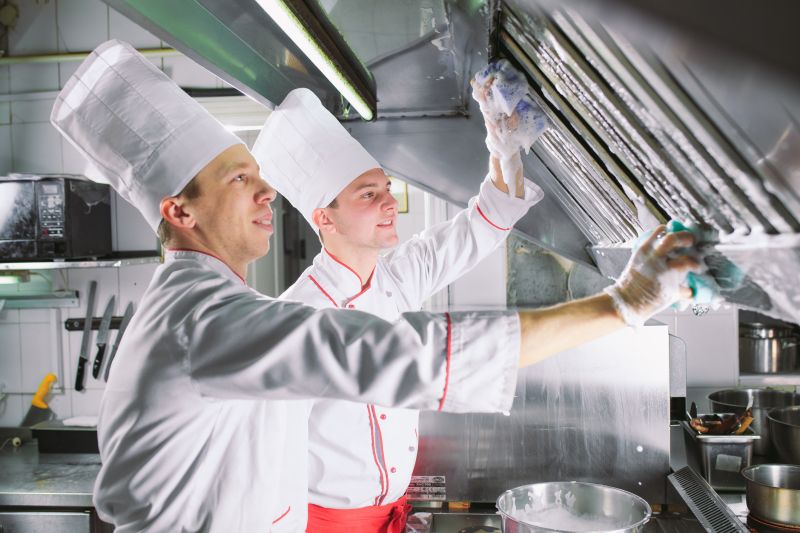
When comparing service providers for industrial hood cleaning, it’s important to consider their experience with similar projects. Homeowners should look for local contractors who have a proven track record of handling jobs comparable in size and complexity. An experienced pro will be familiar with the specific requirements and challenges of industrial kitchen systems, which can help ensure the work is completed effectively and efficiently. Gathering information about their past projects can provide insight into their expertise and ability to manage the unique aspects of industrial hood cleaning.
Clear, written expectations are essential when evaluating local pros. Homeowners should seek detailed estimates or proposals that outline the scope of work, the cleaning process, and any materials or equipment that will be used. Having this information in writing helps prevent misunderstandings and ensures everyone is aligned on what will be delivered. It’s also helpful to inquire about the availability of references or examples of previous work, which can serve as a tangible indication of the contractor’s reliability and quality standards.
Good communication is a key factor in selecting a dependable service provider. Local contractors who are responsive and transparent can make the process smoother and more predictable. Homeowners should feel comfortable asking questions and receiving clear answers about the services offered, timelines, and any concerns that might arise. Since the site introduces homeowners to local options rather than performing the work itself, it’s advisable to contact multiple service providers directly to compare their experience, expectations, and communication style. This approach can help identify professionals who are well-suited to meet the specific needs of the project.
Property owners use Industrial Hood Cleaning services for practical projects around their homes and businesses. This guide focuses on everyday jobs and straightforward project options.
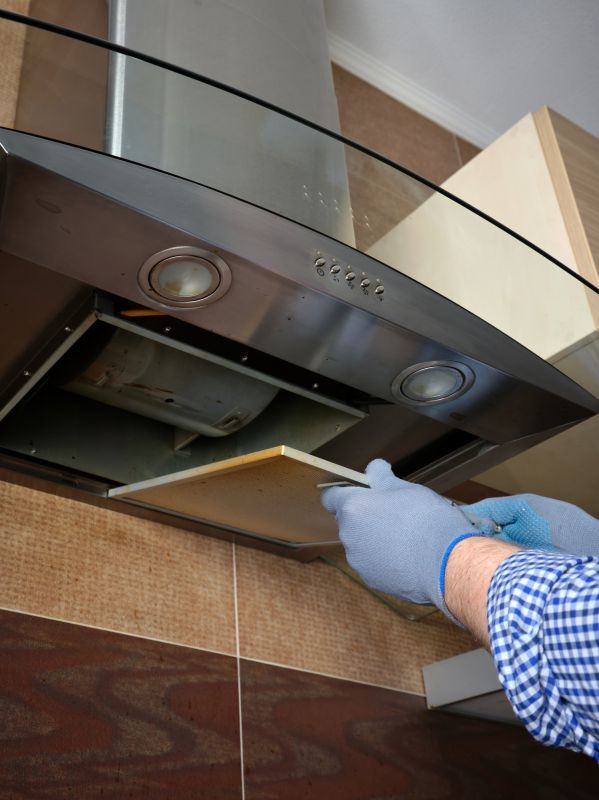
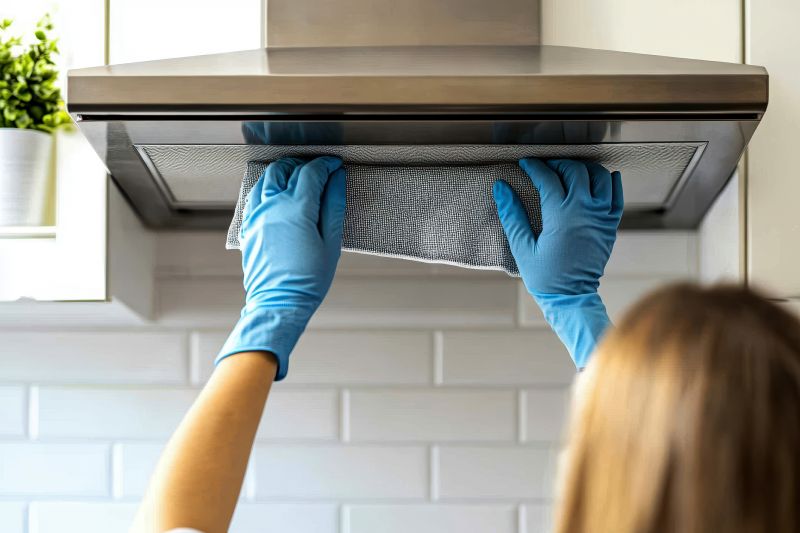
Industrial hood cleaning is a common task for property owners managing commercial kitchens, food processing plants, or other facilities with ventilation systems. Over time, grease, smoke, and debris can accumulate inside exhaust hoods and ducts, potentially affecting the safety and efficiency of the ventilation. Local contractors specializing in hood cleaning are often sought out to help maintain proper airflow, reduce fire hazards, and ensure compliance with health and safety standards.
Property owners in the area may look for hood cleaning services when preparing for inspections, addressing routine maintenance, or responding to signs of poor ventilation performance. Regular cleaning by experienced service providers can help prevent costly repairs, improve air quality, and keep the facility operating smoothly. Connecting with local professionals ensures that the work is handled efficiently and in accordance with industry best practices.
What is industrial hood cleaning? Industrial hood cleaning involves removing grease, dirt, and debris from commercial kitchen exhaust systems to ensure proper ventilation and reduce fire hazards.
Why should a business consider professional hood cleaning? Professional hood cleaning helps maintain compliance with safety standards, improves air quality, and prevents system malfunctions caused by buildup.
How do I find local contractors for hood cleaning services? You can contact service providers in your area who specialize in industrial hood cleaning to compare options and select a suitable contractor.
What types of facilities typically require hood cleaning services? Commercial kitchens, food processing plants, and any facilities with exhaust systems that handle grease-laden vapors often need regular hood cleaning.
What should I look for in a local hood cleaning service provider? It’s important to choose service providers with experience, proper equipment, and a reputation for thoroughness in industrial hood cleaning.
Commercial Kitchen Maintenance - Regular hood cleaning helps restaurant owners maintain a safe and compliant kitchen environment, reducing fire hazards and ensuring proper ventilation.
Restaurant Safety Compliance - Property managers can use hood cleaning services to meet health and safety regulations, avoiding potential fines and inspections.
Industrial Facility Upkeep - Facility owners can schedule cleaning to keep industrial exhaust systems functioning efficiently and prevent buildup that could cause operational issues.
Food Service Equipment Care - Food service businesses can rely on local contractors to keep exhaust hoods clean, supporting a hygienic environment for staff and customers.
If you are thinking about Industrial Hood Cleaning for a property, this guide is meant to help you understand the work, the typical project types, and how different options might fit your plans.
When you are ready, you can use the quote form on this page to share a few details about your project. From there, local pros can review the basics and respond with options that match what you have in mind.